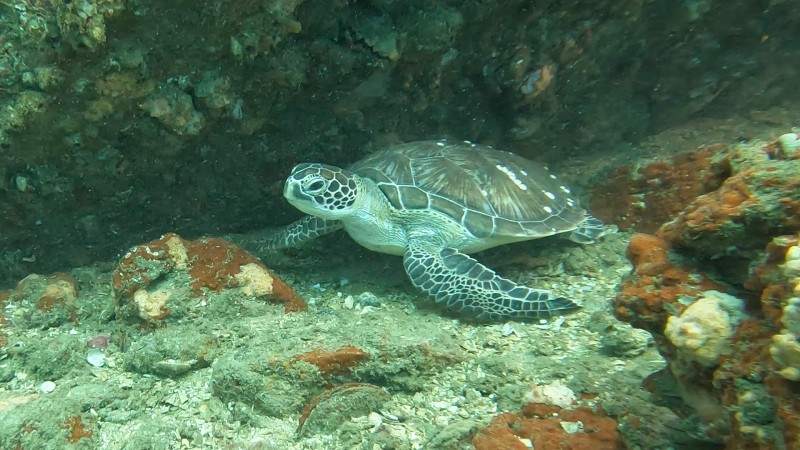
കടലാമകൾ :
ഭൂമിയിലെ ജീവന്റെ പരിണാമ പ്രക്രിയയിലെ അനിവാര്യമായ മാറ്റങ്ങൾക്ക് വിധേയമായി ഇന്നും നിലനിൽക്കുന്ന ജീവികളിൽ പ്രധാനപ്പെട്ടതാണ് ആമകൾ.
നാല് ഇനത്തിൽ പെട്ട ആമകളെ തിരുവനന്തപുരത്തിന്റെ കടലിലും തീരത്തുമായി കാണുമായിരുന്നു. അവയിൽ 'ഓങ്കിലിയാമ' എന്നൊരിനത്തെ കഴിഞ്ഞ കുറെ പതിട്ടാണ്ടുകളായി കാണാനില്ല. കടലിൽ ജീവിക്കുകയും കരയിൽ മുട്ടയിടുകയും ചെയ്യുന്നുവെന്നതാണ് ആമകളുടെ പ്രത്യേകത.
തലയും, കൈകാലുകളും, വാല് പോലുള്ളൊരവയവവും പിന്നെ പെട്ടിപോലത്തെ പുറംചട്ടയും, ഇതാണ് ഒറ്റ നോട്ടത്തിൽ ആമകളുടെ ശരീര ഘടന. ആമകളുടെ ആകൃതിയും വലിപ്പവും നിറവുമാണ് വ്യത്യസ്ത ആമകളെ തിരിച്ചറിയാൻ കടൽപണിക്കാർ ഉപയോഗിക്കുന്നത്.
പരമ്പരാഗതമായി ആമകളുടെ മാംസം കടൽത്തീരവാസികൾ ഭക്ഷിക്കുമായിരുന്നു. പാചകം ചെയ്തെടുക്കുമ്പോൾ ഇറച്ചിക്കറി ആണെന്ന് തോന്നും. ഒരു പ്രത്യേക മണം ഉണ്ടെന്ന് മാത്രം. പാചക കലയിൽ വിദഗ്ധരായ സ്ത്രീകൾക്ക് മാത്രമേ ആമയിറച്ചി കറിയാക്കാൻ അറിയൂ.
ഇന്നത്തെ തലമുറയിൽ അതുണ്ടാക്കാൻ അറിയുന്നവർ ഉണ്ടോ എന്ന് തന്നെ സംശയം. ആമയുടെ രക്തം ഒരു പ്രത്യേക രീതിയിൽ പാചകം ചെയ്തു കഴിച്ചാൽ അർശസ് പോലുള്ള അസുഖം മാറുമെന്ന വിശ്വാസം കടൽത്തീര സമൂഹത്തിൽ ഉണ്ടായിരുന്നു.
ആമകൾ കരയിൽ വന്നു മുട്ടയിടുമെങ്കിലും ആ അവസരത്തിൽ അവയെ അപകടപ്പെടുത്തി പിടിച്ചെടുക്കുന്ന ശീലം കടൽപണി സമൂഹത്തിനിടയിൽ വിരളമായിരുന്നു. എന്നാൽ അവ മുട്ടയിടുന്ന സ്ഥാനം കണ്ടാൽ അവിടുന്ന് മുട്ടയെടുത്ത് കൊണ്ടുപോയി പാചകം ചെയ്യുമായിരുന്നു. അതിനാൽ ആമകൾ ആൾത്താമസം കുറഞ്ഞതും നിറയെ മണൽത്തീരമുള്ളതുമായ ഇടങ്ങളിൽ മുട്ടയിടാൻ എത്തുമായിരുന്നുവെന്ന് പഴമക്കാർ പറയുന്നു.
കടലിനടിയിൽ പാറപ്പാരുകൾ ഉള്ളിടത്ത് ആമകളെ കണ്ടിട്ടുണ്ട്. പുതിയതുറയിലെ പന്താകല്ല്, കോവളത്തെ പാറപ്പാരുകൾ കൂടാതെ വലിയതുറ കടൽ പാലത്തിനടിയിലും FML ആമകളെ കണ്ടിട്ടുണ്ട്. ഒരിക്കൽ കോവളത്ത് പ്രേതവലയിൽ വീണ നാലാമകളെയും വലിയതുറയിൽ രണ്ടാമകളെയും FML രക്ഷപ്പെടുത്തിയിട്ടുണ്ട്.
1980 കൾക്ക് മുമ്പ് കടപ്പുറത്തെ ഓരോ പ്രധാന മീൻപിടിത്ത ഗ്രാമങ്ങളിലും ഓരോ ദിവസവും നാലും അഞ്ചും ആമകളെ കടലിൽ നിന്നും പിടിച്ചു കൊണ്ടുവരുമായിരുന്നു. പ്രത്യേകിച്ചും രാത്രിയിൽ വിടുന്ന വലകളിലാണ് അവ ലഭിച്ചിരുന്നത്.
ഇന്ന് ആ സ്ഥിതി ഇല്ല.
അഥവാ ആമകളെ ലഭിച്ചാൽ അപ്പോൾത്തന്നെ അവയെ കടലിലേയ്ക്ക് തന്നെ തിരികെ വിടും. 1980 കൾക്ക് ശേഷം കടൽതീരത്തോട് ചേർന്ന് മനുഷ്യ നിർമ്മിതികൾ കൂടിയത് കാരണം മണൽത്തീരം വ്യാപകമായി നഷ്ടപ്പെട്ടതോടെ ആമകൾ മുട്ടയിടാൻ കരയിലേയ്ക്ക് വരാതായി.
2025 ൽ വേളിയിൽ ഏറെ കാലങ്ങൾക്ക് ശേഷം ആമ മുട്ടയിടാൻ എത്തുകയും നൂറോളം മുട്ടയിടുകയും ചെയ്യുകയുണ്ടായി. ഇതറിഞ്ഞ പ്രാദേശിക പ്രവർത്തകരും വൈൽഡ് ലൈഫ് ട്രസ്റ്റ് ഓഫ് ഇന്ത്യയും ചേർന്ന് അതിൽ അമ്പതോളം കുഞ്ഞുങ്ങളെ വിരിയിച്ചു കടലിലേയ്ക്ക് വിട്ടത് ഏറെ പ്രശംസ പിടിച്ചുപറ്റി. എന്നാൽ 2026 ൽ ഫെബ്രുവരി, മാർച്ച്, ഏപ്രിൽ മാസങ്ങളിലായി പൂന്തുറ എന്ന ഗ്രാമത്തെ തീരത്ത് അഞ്ചുതവണ ആമ എത്തുകയും ഓരോന്നും നൂറിലേറെ മുട്ട ഇടുകയും ചെയ്തു. ഉടൻ അവിടുത്തെ പ്രാദേശിക സന്നദ്ധ സംഘടനയായ തീരശബ്ദം 24x7 ഇടപെടുകയും ആ മുട്ടകൾക്ക് സംരക്ഷണം ഏർപ്പാടാക്കുകയും ചെയ്തു. തുടർന്നവർ വൈൽഡ് ലൈഫ് ട്രസ്റ്റ് ഓഫ് ഇന്ത്യയെയും ഫോറസ്റ്റ് ഡിപ്പാർട്മെന്റിനെയും അറിയിച്ചു വരുത്തിയെങ്കിലും അവർ നടത്തിയ ഇടപെടലുകൾ വിജയിച്ചില്ല. അഞ്ഞൂറോളം മുട്ടകളിൽ ആകെ മൂന്ന് മുട്ടകൾ മാത്രമേ വിരിഞ്ഞുള്ളു. അതിൽതന്നെ ഒരെണ്ണത്തിന് മാത്രമേ ജീവനുള്ള. ആമ സംരക്ഷണത്തിൽ പരിചയകുറവാണ് ഇതിന് കാരണം. നാൽപ്പതിലേറെ വർഷങ്ങൾക്ക് ശേഷമായിരുന്നു പൂന്തുറ തീരത്ത് ആമ മുട്ടയിടാൻ എത്തിയത്. ഇന്ത്യയിൽ വന്യജീവി സംരക്ഷണ നിയമത്തിൽ പട്ടിക ഒന്നിലാണ് ആമകളുടെ സ്ഥാനം.
Sea Turtles:
Turtles are among the significant creatures that have survived to this day, having adapted to the inevitable changes in the evolutionary process of life on Earth.Four species of turtles used to be found in the waters and along the coast of Thiruvananthapuram. Among them, a species known as 'Onkiliyama' has not been sighted for several decades. A distinctive characteristic of these turtles is that they live in the sea but come ashore to lay their eggs.At first glance, a turtle's body structure consists of a head, limbs, a tail-like appendage, and a box-like shell. Coastal workers identify different types of turtles based on their shape, size, and color.Traditionally, coastal communities consumed turtle meat. When cooked, it resembles meat curry, though it has a distinct aroma. Only women skilled in the culinary arts knew how to prepare turtle meat curry.It is doubtful whether anyone in the current generation knows how to cook it. Coastal communities held the belief that consuming turtle blood, prepared in a specific way, could cure ailments like hemorrhoids.Although turtles came ashore to lay eggs, the practice of harming or capturing them during this time was rare among the coastal community. However, if they discovered a nesting site, they would collect the eggs to cook and eat. Elders say that, for this reason, turtles used to seek out secluded, sandy beaches for laying their eggs.Turtles have also been spotted in areas with rocky reefs beneath the sea. Apart from locations like Panthakkallu in Puthiyathura and Paarappaarukal in Kovalam, FML has also spotted turtles beneath the Valiyathura sea bridge. FML has previously rescued four turtles caught in 'ghost nets' at Kovalam and two at Valiyathura.Before the 1980s, four or five turtles were brought ashore daily from the sea in each of the major fishing villages along the coast; they were typically caught in nets cast at night.
That situation no longer exists.
Nowadays, if turtles are encountered, they are immediately released back into the sea. Following the 1980s, extensive loss of sandy beaches caused by an increase in human-made structures along the coastline led to turtles ceasing to come ashore to lay eggs.
In 2025, after a long hiatus, a turtle arrived at Veli and laid around a hundred eggs. Local activists and the Wildlife Trust of India collaborated to hatch about fifty of these and release them into the sea an initiative that garnered significant praise. However, in 2026, a turtle visited the coast of Poonthura village five times between February and April, laying over a hundred eggs on each occasion. A local voluntary organization, 'Theerashabdam 24x7', immediately intervened to ensure the protection of the eggs. Although they subsequently alerted the Wildlife Trust of India and the Forest Department, the interventions undertaken by these agencies were unsuccessful. Out of around five hundred eggs, only three hatched, and of those, only one survived. This was due to a lack of experience in turtle conservation. Turtles had returned to the Poonthura coast to lay eggs after a gap of more than forty years. In India, turtles are listed under Schedule I of the Wildlife Protection Act.
